

Slashspace (previously Rabbitholes AI) is an intelligent, AI-native infinite canvas designed for deep work, research, and learning. It addresses the issue of 'context collapse' in traditional single-chat interfaces by allowing users to run multiple AI models and chats as connected nodes on a single spatial board. The canvas acts as a unified context space where agents can interact and see each other's work. It supports over 1,000 tool integrations, frontier AI models, Model Context Protocol (MCP), and local-first storage, ensuring all user data stays offline and private on their computer.
An intelligent, local-first infinite canvas for multi-agent AI chat and deep research.
- Running investor research, competitive analysis, and financial modeling on a single canvas
- Planning software architecture and debugging across local files with visual coding agents
- Creating multi-version learning materials, summaries, and lecture notes in one spatial workflow
- To use Slashspace
- download the application for Mac
- Windows
- or Linux
- or use the web platform. Start by creating a free canvas workspace. From there
- you can drag and drop various sources like PDFs
- websites
- and YouTube videos. Open multiple AI chats as nodes on the canvas
- connect them together
- run multi-step research agents
- or connect your Cursor API key to run coding agents directly on your workspace layout.

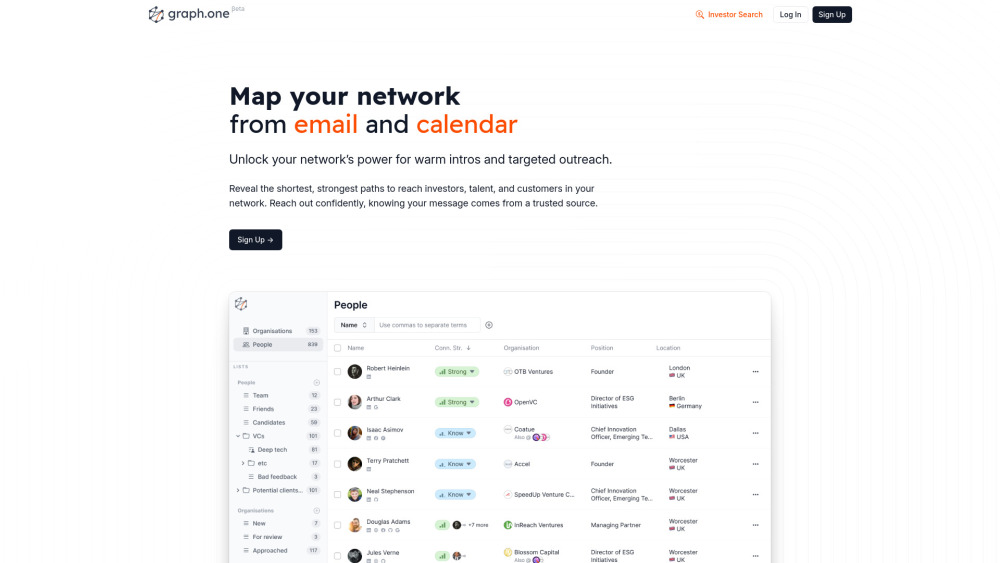
Graph.one maps your professional network from email and calendar data for warm intros.

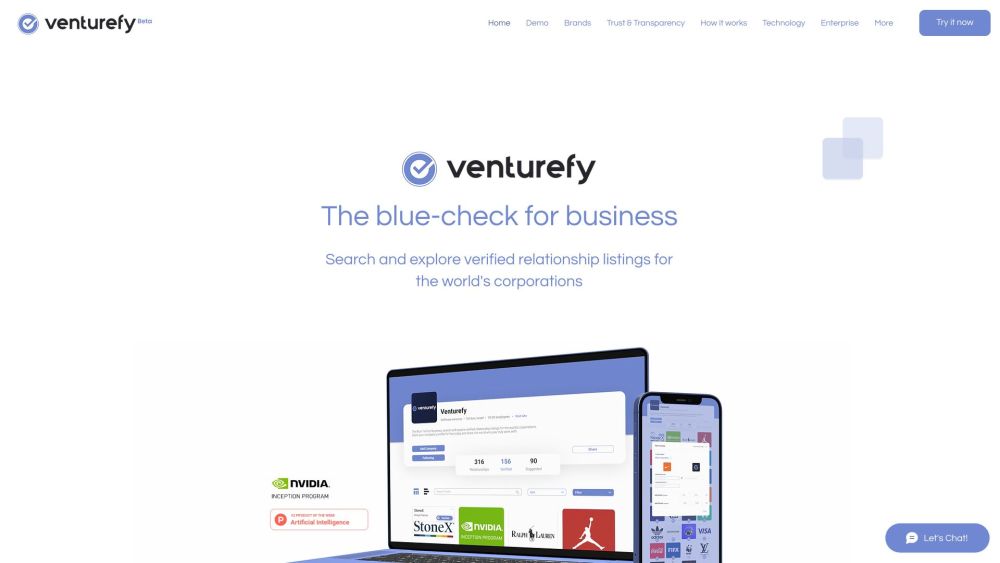
Venturefy uses AI to map and verify corporate relationships, creating a public database.

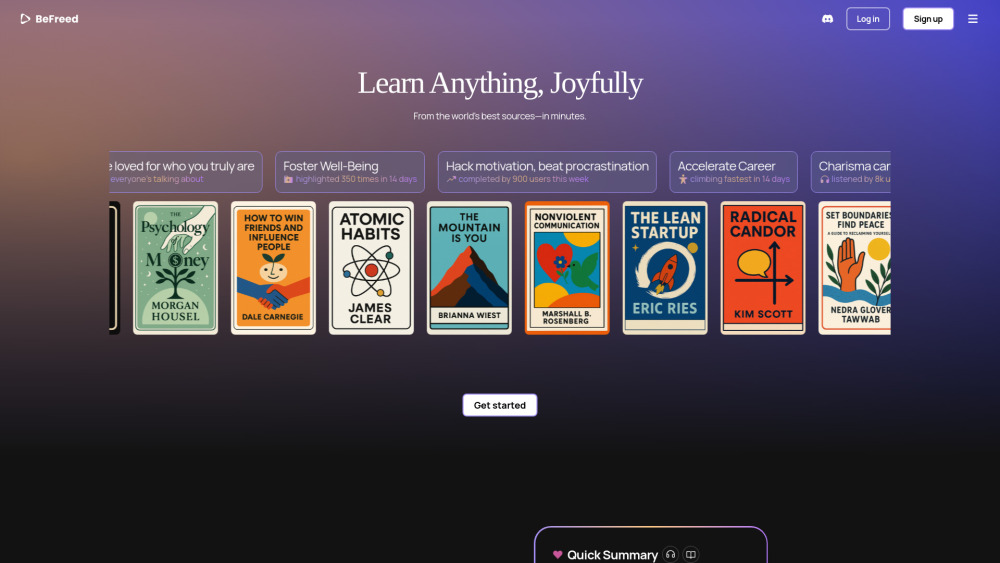
Learn Anything Joyfully - From the Best Sources, Faster

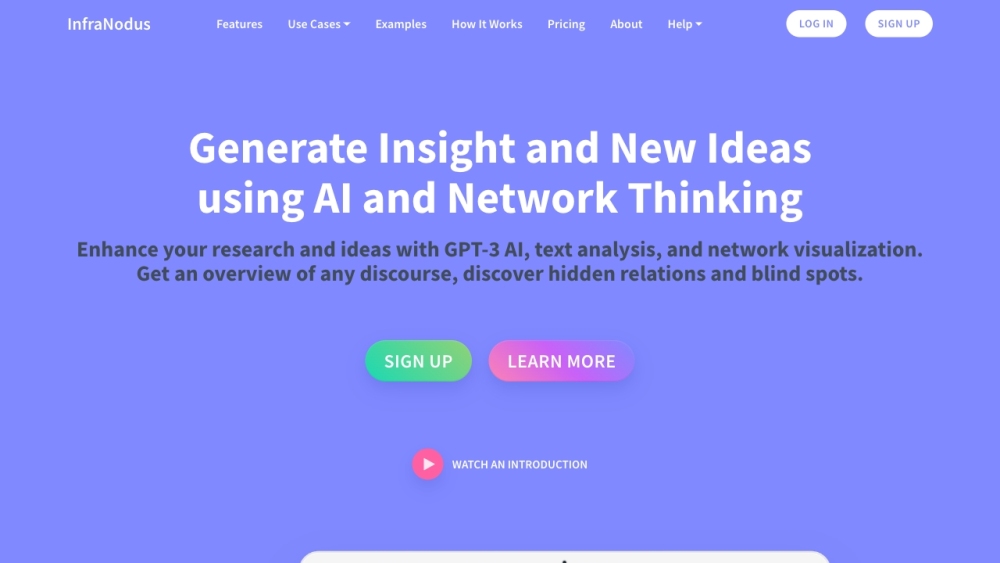
AI text analysis tool using network visualization and GPT-3 to generate insights.
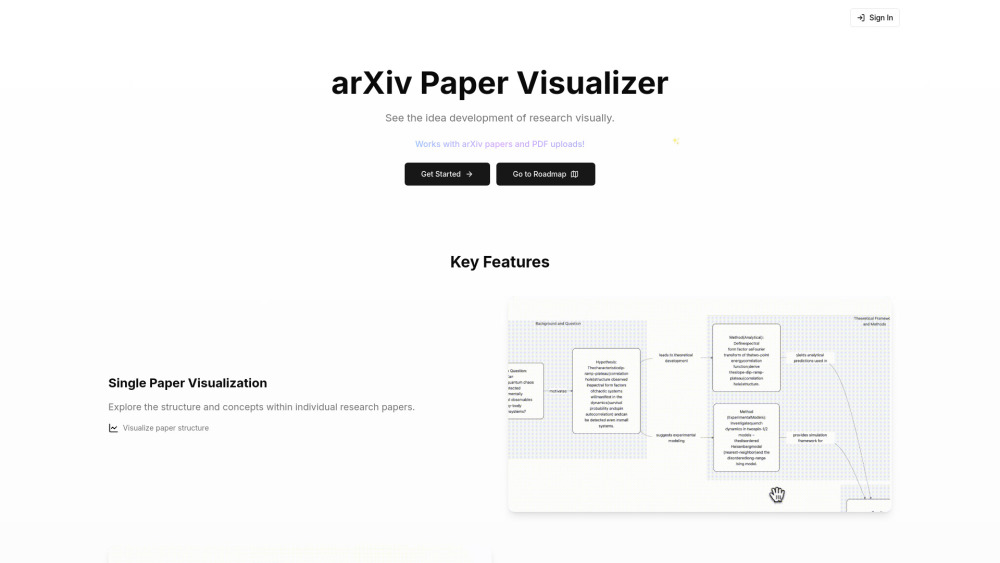
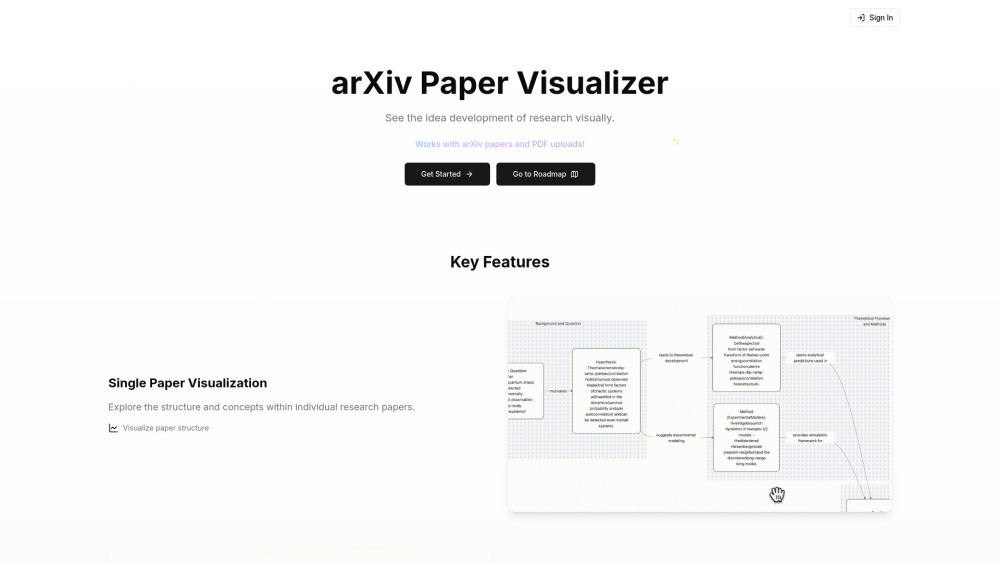
Transforms research papers into visual knowledge for better understanding and collaboration.

AI-powered research web app for building scientific knowledge graphs.
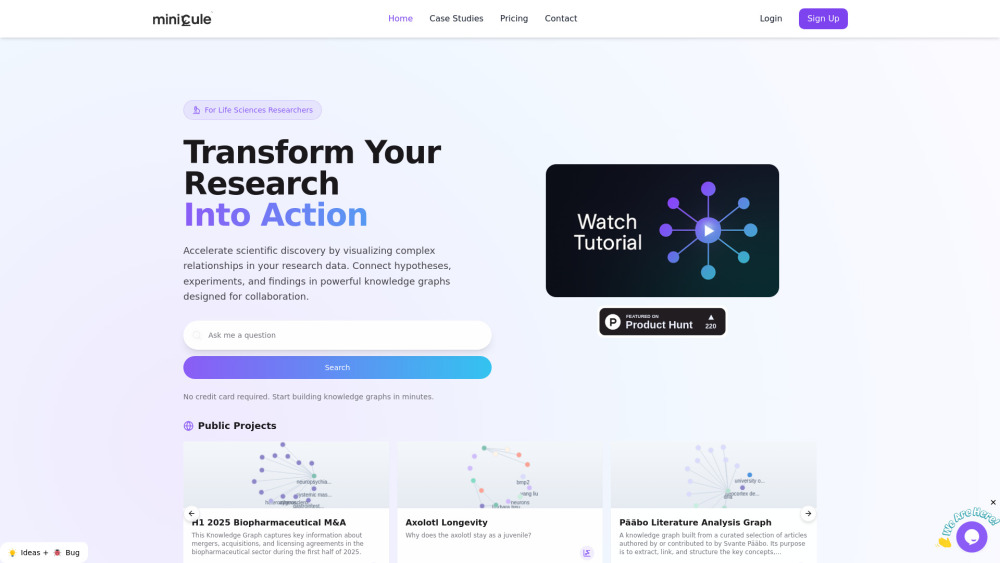

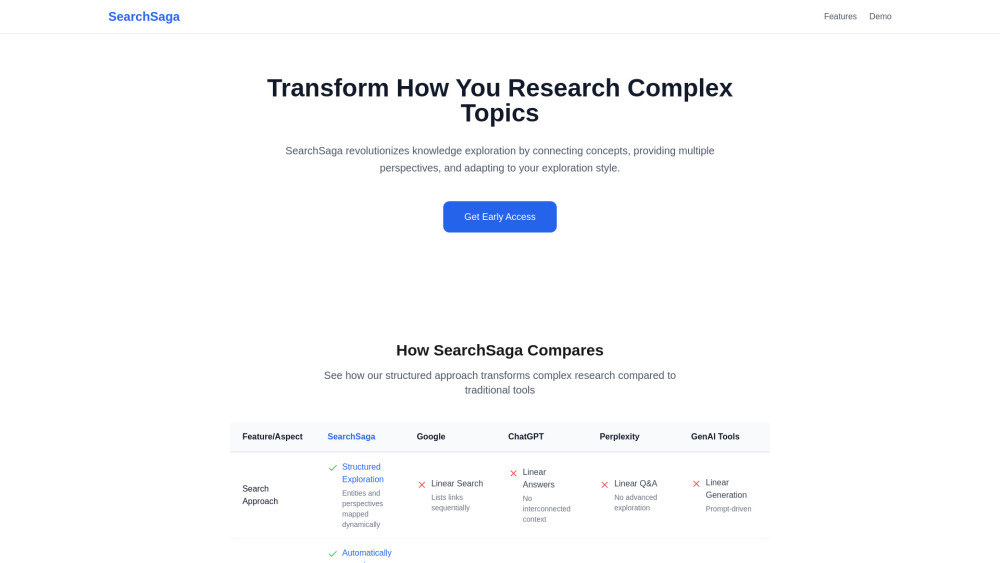
Intelligent platform for structured research insights.

AI-powered food nutrition and dietary therapy platform.


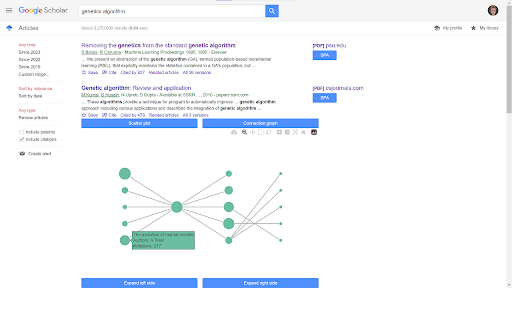
A tool to explore Google Scholar articles through citation graphs and linguistic similarity mapping.