


GitHub is a web-based platform and service that provides hosting for software development and version control using Git. It offers distributed version control and source code management (SCM) functionality of Git, plus adding its own features. It provides access control and several collaboration features such as bug tracking, feature requests, task management, and wikis for every project.
Web-based platform for software development and version control using Git.
- Hosting open source projects
- Collaborating on software development
- Managing code versions
- Tracking bugs and feature requests
- Automating workflows with CI/CD
- To use GitHub
- you typically create an account
- install Git on your local machine
- create a repository (repo) for your project
- and then use Git commands to manage and synchronize your code between your local machine and the GitHub repository. You can also collaborate with others by creating branches
- making pull requests
- and participating in code reviews.

STEP 1 is an AI-based Web3 user graph for reward optimization using big data.


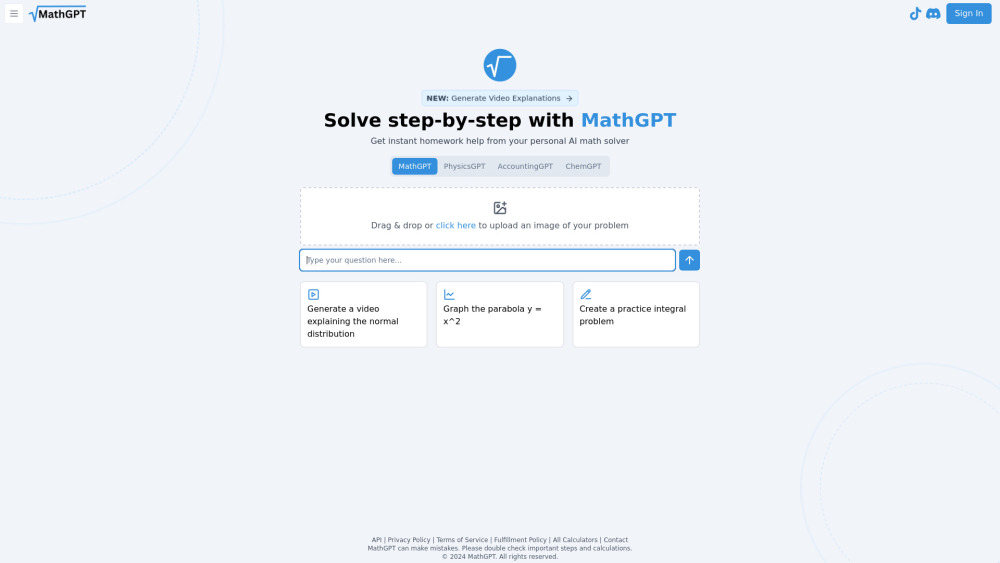
AI math solver and homework helper with video explanations and step-by-step solutions.

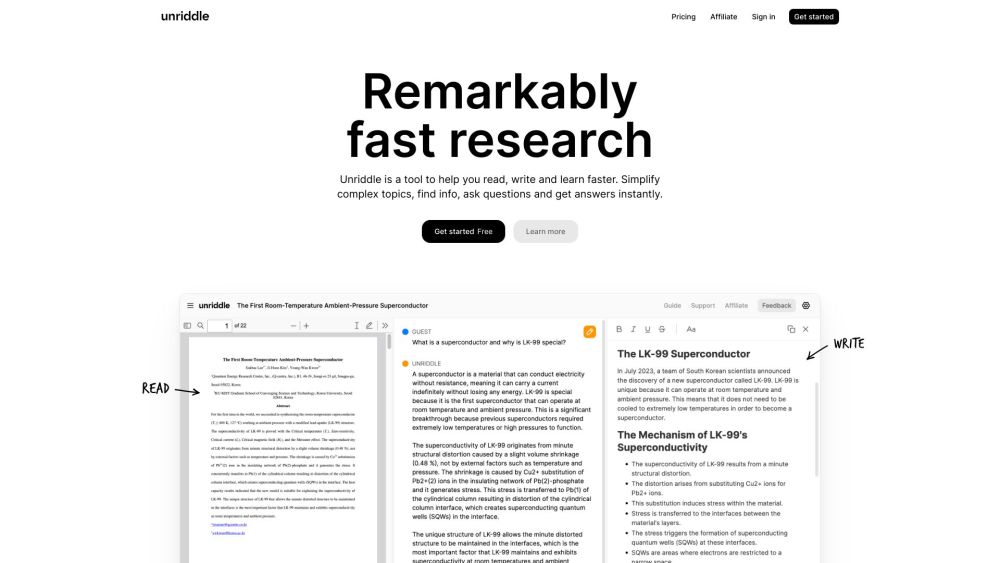
An AI research assistant to understand, organize, and write scientific documents faster.

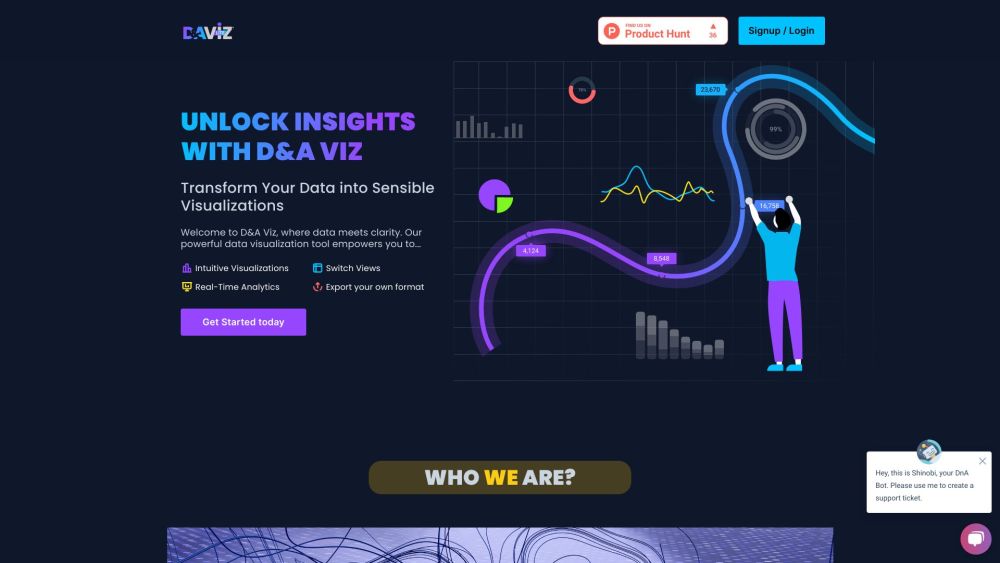
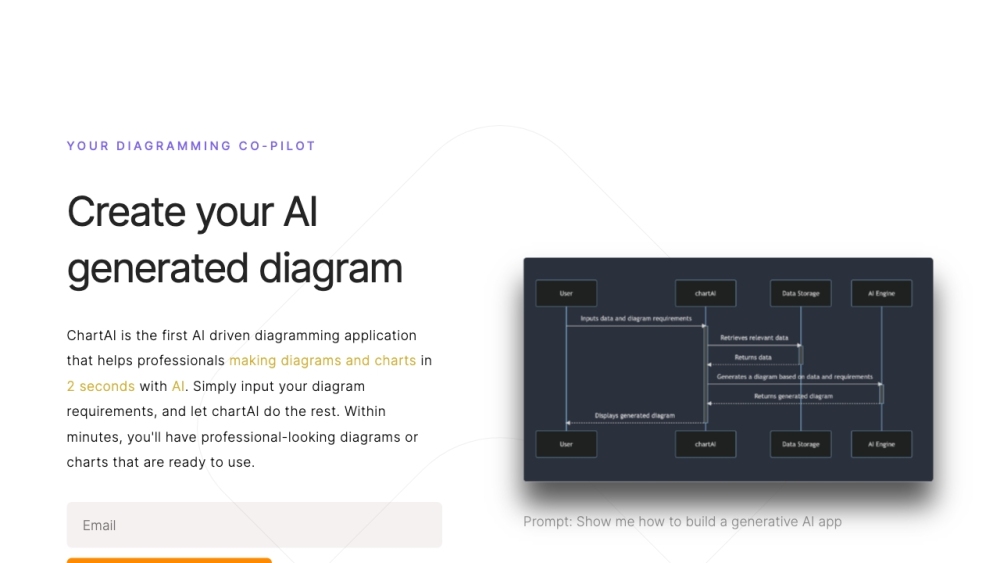
AI-powered diagram and chart creation tool that generates professional visuals in seconds.

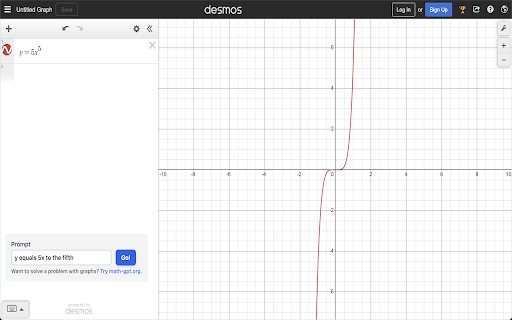
MathGPT graphs functions on Desmos and solves integrals and derivatives using AI.

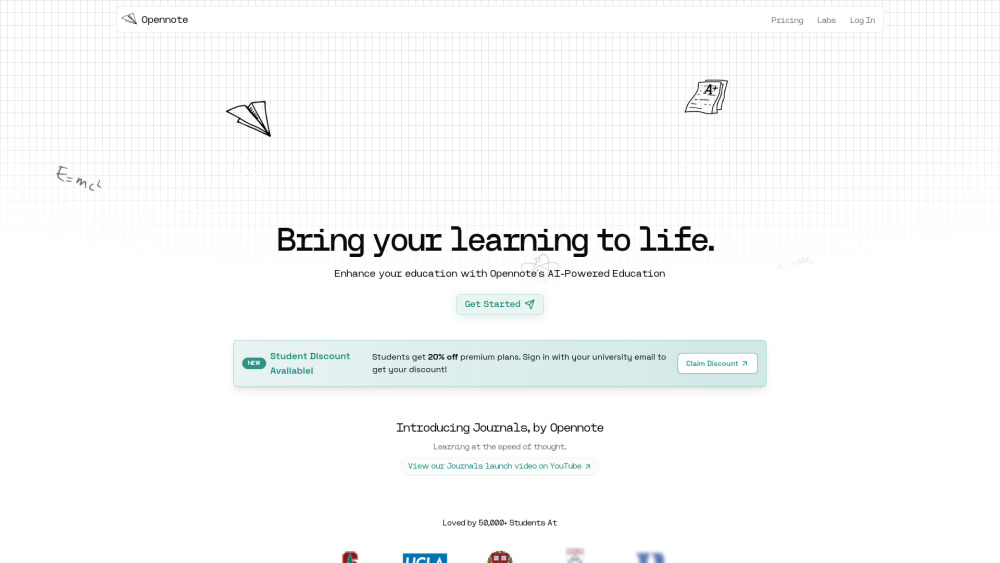
Opennote is a deep research and open notes platform for students with AI-powered tools.

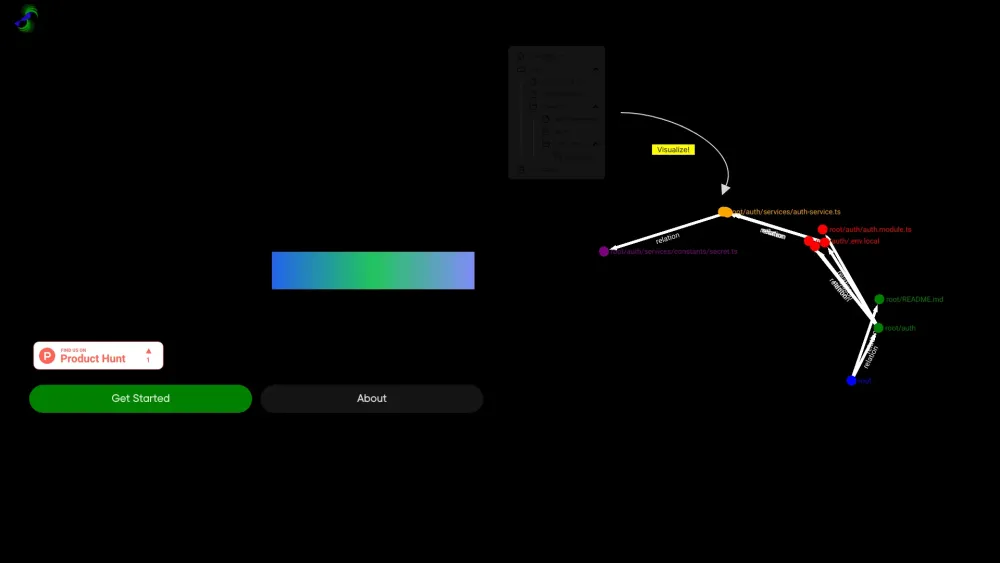
AI tool visualizing codebases as network graphs, aiding open-source contributions.

A visual deep learning framework for creating AI solutions with drag-and-drop or natural language.

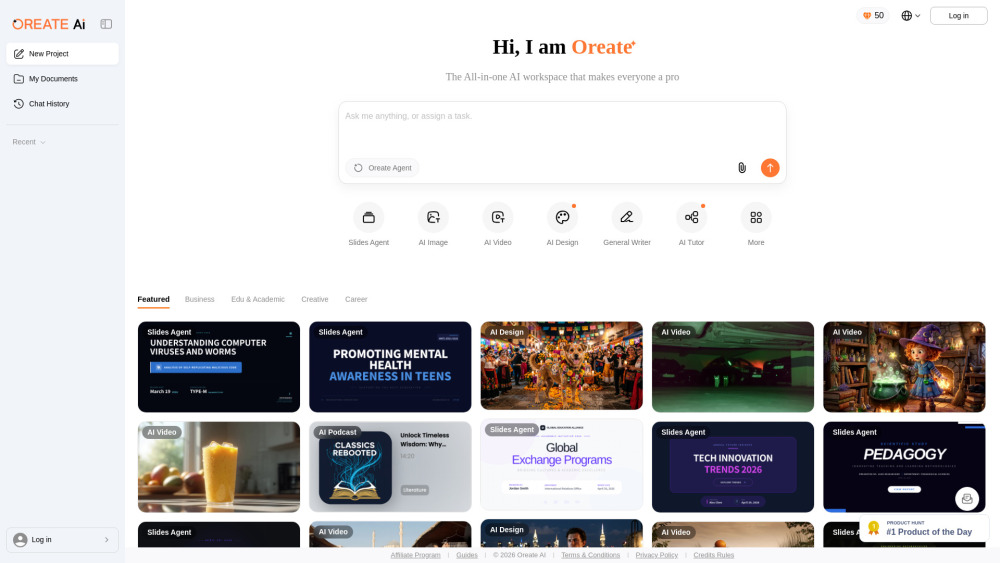
All-in-one AI Workspace: Create professional slides, essays, videos, images, podcasts, and deep research in minutes.